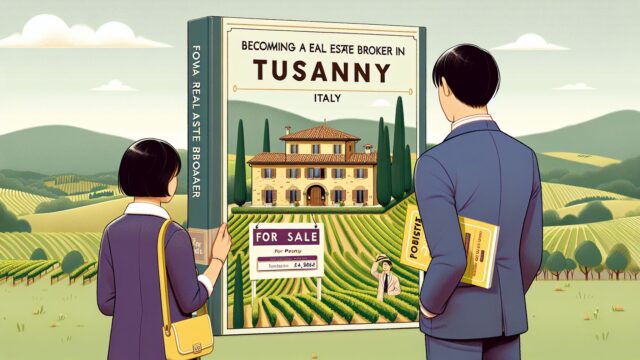
Fulfilling The Tuscan Dream: A Guide to Becoming a Real Estate Broker in Tuscany, Italy

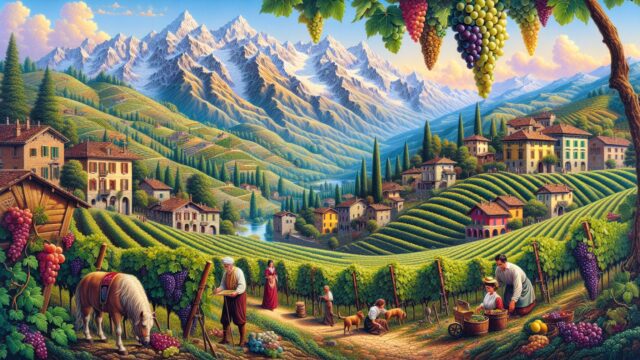
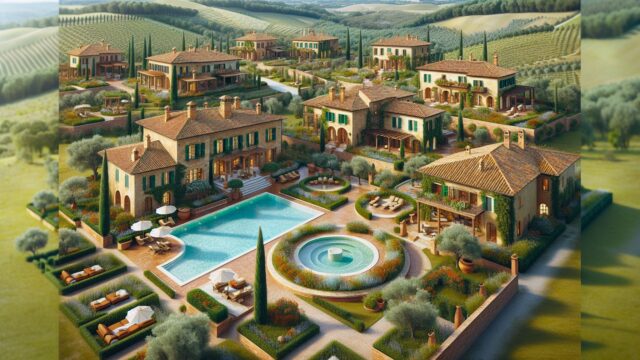
Tuscany, known for its winding vineyards, rolling hills, and historic architecture, beckons countless travelers, artists, and, somewhat less romantically, prospective real estate brokers each year. No, it’s not a profession oozing with the romance and allure typically associated with frolicking through sun-drenched vineyards or admiring Renaissance masterpieces, but the draw is nonetheless very real.

Painting a Picture: The Appeal of Tuscany

Let’s be clear: peddling properties in Florence, Siena, Pisa, or the quaint countryside is no vacation. Nonetheless, if selling Italian picturesque landscapes and century-old villies sounds like your style of “La Dolce Vita,” then being a real estate broker in Tuscany might just be your calling.

Being a real estate broker in Tuscany means immersing yourself in the aesthetic and culture that the region exudes. It’s the art of selling not just bricks and logs, but a dream—a permanent vacation of sorts—that of a life steeped in history, seasoned with culture, and picturesque to a fault.

Tackling The Tuscan Estate: The Real Estate Scene in Tuscany

The real estate market of Tuscany, much like its topography, is incredibly diverse. From agriturismo establishments to rustic farmhouses, from city-center apartments to vineyard villas, a broad spectrum awaits potential investors. It’s the broker’s job to guide these buyers, straddling the fine line between hard-sell and soft-soap, and ultimately making that significant sell.

Foreign investment in Tuscan property is a mainstay, with the British, Germans, and Americans being particularly notorious for scooping up second homes amidst the sunflower fields and olive groves. Real estate brokers here, therefore, often have to compensate for the distance and unfamiliarity that these foreign buyers face.

Making The Move: Becoming a Real Estate Broker in Tuscany

Becoming a real estate broker in Tuscany can seem as challenging as pronouncing some of the Italian vine varieties. But, don’t let the Sangiovese and Montepulciano scare you.

Firstly, you’ll need to sharpen your Italian. No, not just your food ordering skills, but a working professional proficiency that allows you to draft contracts, negotiate prices, and converse comfortably with local clients.

Secondly, understand that becoming a licensed real estate broker in Italy requires a high school diploma, passing a state exam and registering in the Italian Business Register. This isn’t a vacationing task one completes between admiring the Sistine Chapel and the Leaning Tower of Pisa.

Thirdly, familiarize yourself with Italian property laws and taxation regulations. These can be complex and not knowing them can turn sweet Chianti into sour grapes.

Finally, it’s crucial to connect with local networks: find a mentor, join an agency, or collaborate with other brokers. The Tuscan real estate industry, like its leisurely pranzo, is all about relationships. The stronger your network, the more likely you’ll land successful, rewarding deals.

Soaking in the Sun, Cement, and Culture: Living the Tuscan Broker Life

In conclusion, to be a real estate broker in Tuscany is to sell more than properties—it’s selling a piece of heaven where every corner is a work of art, where life, like its famous slow-cooked ragù, is meant to be savored.

It may be tempting to fantasize about this profession as a permanent vacation, selling estates by day and sipping Brunello by night. But the reality is that being a real estate broker in Tuscany requires dedication, hard work, legal know-how, and a proficiency in Italian rivaled only by Dante himself.

But imagine, closing a deal over an alfresco dinner as the Tuscan sun dips behind a vineyard, knowing you just helped someone purchase not merely a property, but a dream. Now tell me, is there any brochure that can beat the appeal of that kind of work-vacation-every-day scenario? I think not.

So, should you choose to venture into Tuscan real estate, be prepared to immerse in its culture, its work ethic, and its idyllic way of life. After all, selling the Tuscan dream is about becoming part of it. And believe me, it’s definitely not a tough sell!


Sampling the Staple Delights of Marche: A Gastronome’s Guide to Italian Cuisine

When it comes to vacation destinations in Italy, the Marche region is a less-traveled path swept aside by the charms of Rome, Milan, or Venice. However, beyond its picturesque landscapes and vibrant local culture, this area, nestled between the Apennine Mountains and the Adriatic Sea, offers an enticing array of gastronomic experiences.

Indeed, investing time in Marche could unexpectedly awaken a culinary adventurer within you. This article will walk you through trademark gustatory delights that give Marche an irreplaceable spot in the atlas of Italian cuisine.

Meet the Stalwarts of Marche’s Culinary Landscape

Olive All’Ascolana

Originally from Ascoli Piceno province, Olive all’Ascolana are green olives carefully de-stoned, stuffed with minced meat (usually pork, chicken, and veal) and aromatic herbs, then breaded and deep-fried to golden perfection.

What makes Olive all’Ascolana unique is its sophisticated preparation process – a testament to the skilled craftsmanship of Marche’s local chefs. Bear in mind, any shortcut taken in making them could be a detrimental offense to this culinary masterpiece – akin to investing in a risky pension fund, lured by the promising returns while ignoring due diligence.

Brodetto

The salt-tinged air of Adriatic coast brings a bounty of seafood to Marche, inevitably leading to the creation of Brodetto, a hearty fish soup or stew. No less than a dozen types of fish are cooked together with tomatoes, white wine, onion, garlic, and pepper flakes.

It’s the culinary equivalent of a stock market – each ingredient adding distinct taste, hence enhancing the overall value of the dish. Different coastal towns have their specific versions, making a tasting tour a fun way to explore the region and its cuisine.

Vincisgrassi

No Italian food list would be complete without a pasta dish. In Marche, that must-try is Vincisgrassi, a specific type of baked lasagne layered with a rich ragu, béchamel sauce, and grated Parmigiano-Reggiano.

Like a well-executed bond strategy, the delicate balance between the meaty sauce and creamy béchamel ensures a steady, delightful culinary output that melts in your mouth with each bite.

Marche’s Noteworthy Wines

No gastronomic journey would be considered complete without accompanying libations. Thankfully, Marche shines in this department as well, thanks to its diverse terroir that gives birth to excellent wines.

Verdicchio

Grown predominantly in the provinces of Ancona and Macerata, Verdicchio is a white wine variety recognized for its versatility. It can be young and soft, or well-structured and capable of long aging. Consider it a dependable fixed-income asset in your portfolio of Italian wine tastings.

Rosso Piceno

Amongst the reds, Rosso Piceno – a blend of Montepulciano and Sangiovese – stands out. Its varying degrees of complexity and flavors, much like an equity investment, depend on the variations in the blending ratio and the winemaking process.

Conclusion: The Culinary Force of Marche

Marche’s gastronomic landscape, overlooked by many, proves to be a treasure trove of culinary delights embodying the region’s unique blend of land and sea, mountains and hills. Like a cautious yet adventurous investor, the region mixes staples with innovative creations, balancing the old and the new, the terrestrial and the marine.

Investing your vacation time in Marche implies embracing local gastronomic traditions and daring to step off the tried-and-tested path of Italian cuisine. Who knows, this Italian region might win over your palate with its unique take on gastronomy, allowing you to sample an authentic slice of Italy far from the tourist-infested streets. After all, the best flavors often lie in the undersold and undiscovered, waiting to tantalize discerning taste buds.

The Art of Giving: Nonprofits Promoting Tuscan Arts

Tuscany reminds you of the charming medieval towns and rolling hills. But, the beauty of the Italian art and culture in Tuscany is undeniable. Tuscan art has drawn the attention of several art lovers. However, nonprofit organizations also take advantage of these arts to make their charitable mission successful.  These mission-driven groups promote Tuscan artwork to future generations and make their fundraising activities more effective. 

How do Nonprofits Promote Art?

Nonprofit arts organizations conduct their activities at local and international levels to:

  • Fund art education and artists
  • Preserve cultural and traditional art forms
  • Run artistic performances and community art events
  • Promote art-related policies

Why do Nonprofits Promote Tuscan Art?

There are several benefits of promoting Tuscan art.

Higher Visibility for Nonprofits and Artists

The success of nonprofit organizations and artists depends on their visibility to the public. Both parties want to draw attention to the charitable cause. Their partnership provides benefits from free publicity on social media and other platforms. Artists boost nonprofits’ visibility, as they feature special guests at different events. On the contrary, nonprofit organizations will distribute information on their charitable mission. 

Foster Global Collaboration

Several nonprofit organizations conduct their activities in Tuscany and have international partners. So, they have created the bridges between the global community and local institutions. It also allows them to raise funds and curate travel exhibitions. The global outreach makes Tuscan art more relevant to worldwide art lovers.

Revive Forgotten Traditions

The cultural identity of Tuscany is associated with traditional crafts, such as woodcarving and silk weaving. Nonprofits play a vital role in restoring these dying traditions. For example, they sponsor craft fairs and organize apprenticeship programs to help new generations learn the heritage skills. 

Tuscany has spread its tradition of art in different villages and towns. However, with nonprofits’ approaches, Tuscany art will gain global recognition. 

Amplify Diverse Voices

Nonprofit organizations dedicated to Tuscan arts act as the voice for under-represented groups. This effort results in the creation of a more welcoming society. Nonprofits can also back artists from different backgrounds and introduce fresh perspectives. They reveal the stories of artists proficient in Tuscan art and other types of artwork.

Why Should You Give Importance to Tuscan Art?

Tuscan artwork is not merely a heritage of Italy. Rather, it is a heritage of humanity. Tuscany has contributed a lot to the international culture. It has influenced everything, from philosophy to painting.

So, nonprofits aim to protect Tuscan art and restore the legacy. They want to honor creativity and ensure educational access. 

Several nonprofits run campaigns to promote Tuscan arts and preserve history. They try to actively shape the cultural future of the region. However, to make campaigns successful, they need assistance from professionals such as a nonprofit communications consultant. As a nonprofit entity, you will learn the best funding and marketing strategies from consultants. They will craft a plan to convey your missions and goals. They will also help you manage public relations in different situations.

Discovering the Culinary Treasures of Lombardy, Italy – A Parent’s Guide

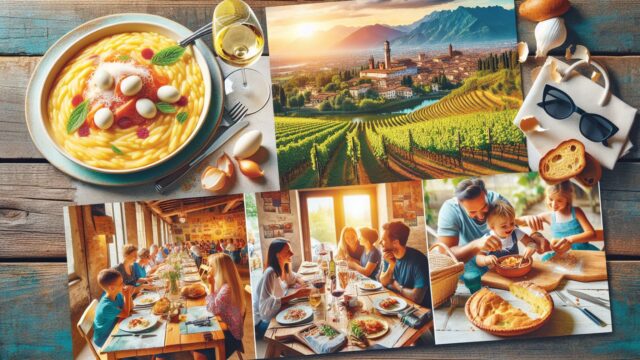
Lombardy, famous for its enchanting landscapes, vibrant cities, and rich historical heritage – and its food. Italian cuisine holds a special place in our hearts as parents. It offers a variety of delicacies that are both delicious and healthy for our little ones. While vacationing here, your gastronomic journey can truly be exceptional. Allow me to take you on a culinary road trip through Lombardy, as we discover the best child- and parent-friendly food places in the region.

First Stop – Milan: Fine Dining For the Whole Family

Renowned for its fashion and football, Milan, the capital of Lombardy, also has a myriad of culinary delights. The city offers a variety of sophisticated places to eat, without compromising the authentic Italian taste.

Trattoria del Nuovo Macello is one such restaurant you must visit. Its cozy environment, coupled with its select Lombard-inspired menu, make it an ideal place for a heartwarming family dinner. The menu changes periodically, but the osso bucco, a slow-cooked veal shank, and risotto, the classic Italian rice dish, always remain, pleasing adults and children alike. These dishes encapsulate the Italian flavor that is complex, yet comforting.

Next Destination – Bergamo: Mouth-Watering Bites in a Medieval Setting

The city of Bergamo is divided into two parts: the modern Lower City, and the charming old Upper City. Within its ancient walls, you’ll find the wonderful Trattoria Sant’Ambroeus, a treat for the family. The kids will love the casoncelli, a local pasta stuffed with meat and a hint of sweetness from amaretti biscuits. Adults, on the other hand, might love rosé wines and sliced meats from the region. Don’t forget to try the restaurant’s Polenta e osei, a polenta cake with bird-shaped chocolates, a delight for those with a sweet tooth.

La dolce vita in Cremona: Sweets to Satisfy the Little Ones

Known for crafting some of the finest violins, the city of Cremona has a rhythm of its own. The city also strikes a chord with its delightfully sweet torrone (nougat). Any parent knows that a powerful tool in maintaining harmony during a holiday is the occasional sweet treat.

Drop into Sperlari where you can buy torrone in different shapes, sizes, and flavors. Watch your children’s faces light up as they bite into the soft nougat filled with honey, toasted nuts and reaches a crescendo of flavors with the hint of vanilla and citrus zest.

Towards the North – Lake Como: Lakeside Dining with Seafood Aplenty

We finish our culinary journey on Lake Como’s beautiful shoreline. Here you’ll find plenty of scrumptious seafood that even the pickiest little eaters will enjoy.

Locanda dell’Isola Comacina is a treasure nestled on an island in the heart of the lake. Here, future foodies can savor delicacies like fried fish fresh from the lake. Parents can try the trout in carpione, marinated in herbs and vinegar, a traditional dish of Lombardy. The lakeside view just adds to the sensory delight that this place offers.

Wrapping up Lombardy’s Gastronomic Wonders

Our gastronomic tour through Lombardy ends here. I hope that you’ve enjoyed our flavorful journey and it has inflamed your desire to visit these towns – and most importantly, these places to eat.

Remember, Italians have a special philosophy about food. It’s not just about nourishment. It’s about celebration – of life, of culture, of family. Enjoying delicious meals with your children not only makes your vacation memorable, but also enriches your family bonds.

As parents, feeding our children is our primary duty. In Lombardy, this necessary job turns into a joy. Make sure to take this joy with you long after your vacation ends. Cherish these moments and let them keep warming your heart, just like a soulful plate of Italian risotto. Don’t forget, in Lombardy, you’re not just selling out on extra calories; you’re buying abundant memories, laughter, love, and bonding for the whole family. The taste of Lombardy stays with you, long after the vacation tan fades.

Becoming a Realtor in Veneto, Italy: A Comprehensive Guide

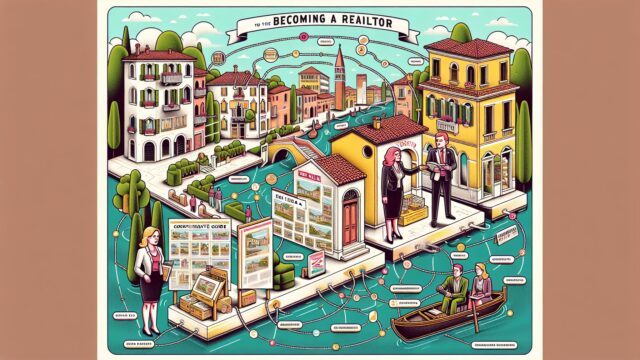
Becoming a realtor in Italy, especially in the splendid region of Veneto, is a journey that offers wonderful opportunities and challenges. Behind this pursuit is not only the prospect of working in a dynamic real estate sector, but also the chance to taste great foods and the experience of living in the charming Venetian atmosphere.

Understanding the Roles of a Realtor

Upon hearing the term realtor, many people think of someone who simply buys and sells properties. But, in reality, it goes beyond that! As a realtor, you are tasked with guiding clients in making one of their biggest financial decisions. In addition to negotiating sales and dealing with the administrative paperwork, you are also entrusted with the responsibility of offering clients expert advice throughout the renting or purchasing process.

Requirements to become a Realtor in Italy

Before rolling up your sleeves and diving into this path, it’s crucial to understand the necessary legal prerequisites in Italy. Becoming a realtor in Italy requires passing an examination issued by the Chamber of Commerce, which operates under the Ministry of Economic Development. Candidates are required to be over 18, have a high school diploma or equivalent, and be in good standing with the law.

Start with Real Estate Specific Education

Once you’ve gained an understanding of the role and requirements, the pursuit of real estate specific education follows. Numerous local universities and vocational schools offer part-time courses providing insight into national property laws and real estate market dynamics. You also get to learn about the specifics of the Veneto market, its unique architectural styles and property types, which is an invaluable asset for any aspiring realtor in this region.

Get Practical Experience

Book learning is essential, but practical experience is the real game-changer. Start off by seeking internships or assistant roles in real estate firms. This will allow you an understanding of the day-to-day challenges and opportunities in this profession, and offer a chance to apply what you have learned in a real-world setting. Despite the hurdles, remember, every challenge is a chance to grow.

Eat, Live, and Breathe Veneto!

In this profession, you are not just selling properties, you are selling a lifestyle! Hence, it’s necessary to be familiar with the ins and outs of the region. Veneto, known for its rich culture, architectural wonders, and delectable foods, delivers a whole new world to explore. Take adequate time to experience living in different neighbourhoods, relish great foods from local trattorias, and explore local landmarks and traditional festivals. Each bite of a classic Veneto dish or each step in a Venetian neighbourhood will add up to your arsenal of experiences to guide your potential clients perfectly.

Pass the Exam and Get Registered

Once you feel competent and equipped with the necessary skills and knowledge, you can sit for the licensing examination. Upon passing, you must register with the Italian Realtors’ Register (Registro Italiano dei Mediatori), where you will be assigned a unique identification number.

Continuous Learning and Networking

Even after becoming a realtor, the journey does not end. The real estate market and property laws often see changes and updates. Therefore, continuous learning is a key aspect of being successful in this field. Benefits of networking can not be overstated either. By establishing a robust network of fellow realtors, property lawyers, and previous customers, you enrich the pool of resources and opportunities around you.

Conclusion

To wrap it all up, embarking on a journey towards becoming a realtor in Veneto is as much about learning the technical aspects of real estate as it is about immersing yourself in the local lifestyle. Your experiences eating great Venetian foods and your time spent living and exploring different neighbourhoods will lend a unique touch to your dealings with clients. Remember, you are not just selling a property, but narrating the story of a Venetian lifestyle, one home at a time.

Step Into Southern Italy: Simplifying the Home Selling Process in Molise

If the rolling hills and picturesque landscapes of Southern Italy beckon you and the tranquil simplicity of rustic life is on your mind, then the region of Molise is your ultimate destination. Gorgeous beaches, untouched nature, ancient villages and breathtaking mountain views are all part of its allure. Given its increasing prominence as a preferred vacationing spot, selling a home in this region can be lucrative.

Why Molise?

With the rest of Italy often catching the limelight, Molise remains a hidden gem in the heart of the nation. This lesser-known region, sandwiched between Abruzzo and Puglia, is an unspoiled territory awaiting exploration. Owning a property here ensures an authentic Italian experience, unmarred by the thronging tourists found elsewhere. However, selling property in Molise needs strategic planning and culture sensitive tactics.

Lessons on Home Selling

Let us dive into some funds of knowledge that can guide one while selling a home in Molise. You must create a selling strategy. A well-planned selling process can help eliminate potential barriers that might arise along the way.

Pricing it Right

When deciding to sell your home in Molise, set a reasonable price. Conducting a comparative market analysis by checking property prices around your local area can guide you to price your home competitively, yet profitably. An overpriced building can prolong the selling process, while an underpriced property might mean a missed opportunity.

Capitalizing on Features

Before deciding to sell your home, identify the unique selling points and focus on these during promotions. Perhaps it is the proximity to the Adriatic coast or maybe the fact that your home breathes ancient heritage with a modern twist. These factors can greatly influence potential buyers.

Breaking the Language Barrier

Molise may be a desired vacationing spot for many English-speaking visitors, but the predominance of Italian culture and language should not be ignored. If you’re not proficient in Italian, hire a translator or a local real estate agent who can proficiently handle negotiations.

Involve a Real Estate Agent

An experienced local real estate agent can give valuable insights into the current market conditions, assisting you with setting the price, marketing your property and introducing you to potential buyers.

Legalities

Keep yourself updated about the property laws in Italy. Get a professional to help you navigate the legal framework surrounding property sales to ensure a smooth transaction.

Marketing Your Home to Vacationers

Often, vacationers fall in love with the enchanting beauty of Molise and are eager to own a piece of this paradise. Here, the right marketing strategy can make a significant difference.

Quality Photographs

Images are the first glimpse a potential buyer gets of your home. Quality photos, preferably taken by a professional, showcasing the property and its surroundings can impress
potential buyers

Online Listings

Online listings have made property searching easy and accessible. Submit your property to national and international real estate websites to increase its visibility among potential buyers around the world.

Open Houses

Apart from online listings, a traditional open house allows potential buyers to interact directly with the property. This method offers a tangible experience which, coupled with the charm of Molise, can be a powerful selling tactic.

Conclusion

Selling a home in Molise, Italy opens doors to a diverse set of potential buyers – from vacationers charmed by the region to locals looking for property investments. By paying careful attention to setting a reasonable selling price, understanding the market, and investing time and resources into marketing, you can successfully navigate the home selling process in Molise.

This picturesque region with its pleasant climate, comfortable lifestyle, and rich heritage is indeed an appealing destination for those wishing to experience rustic Italian charm at its best. By employing a well-planned strategy, you can ensure your home in Molise finds the perfect buyer who appreciates it as much as you have.

Why Buy A Tuscan Villa When You Can Just Invest in Pasta?

Ah Tuscany, the romantic, rural region of Central Italy where you can indulge in vast vineyards, rustic stone houses, historic towns, and yes, the undeniable charm of the Italian language. Most people return home from their Tuscan getaway with a pair of leather sandals and a questionable sunburn. But there are others who return home with a new dream: buying a home in Tuscany.

An Aesthetically Pleasing Investment

Now, you would think, as audacious travelers, we invest in experiences and not bricks and mortar in foreign countries. But hear me out. Owning a house in Tuscany, famed for its iconic landscapes, and rich culture, can be a unique and investment as vibrant as the Tuscan sun itself.

And why not? When enchanting hilltop towns kissed by the sun and cypress tree lines leading to your front gate can morph into palpable returns on the real estate market, it’s more than just an obsession with stone-baked pizzas that’s at play here!

From Leisure to Leverage

True, the prospect of having your own Italian retreat for a month or two every year sounds inviting. Who wouldn’t want to wake up to the lure of fresh bruschetta breakfasts and spend the evenings murderously trying to pronounce Chianti wines correct?

But let’s shift gear from leisure to leverage for a moment, be a little business-minded if you please. If you’re not using your Tuscan home, someone else would love to—every romantic, and pasta-loving tourist in the world to be precise! A vacation rental in Tuscany can be a profitable venture.

For the Love of Pasta – or Property?

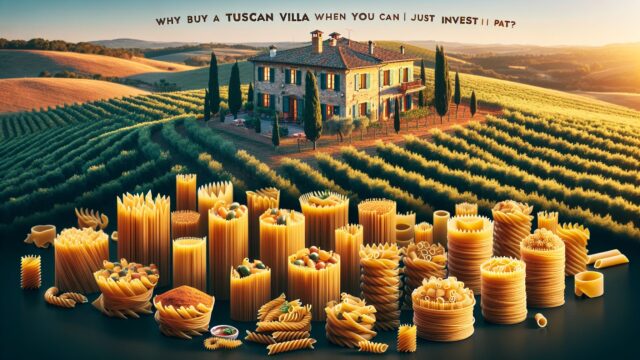
Admittedly, measuring the value of a home in Tuscany phrased as ‘pasta potential’ might be an uncommon unit. Yet, allow me to lay down the logic. Considering the price of a decent home in the Tuscan region, you could opt to invest the same amount of money in owning half of Italy’s pasta production line and earn huge profits. But really, what kind of story would that make for at dinner parties?

“Hey John, I heard you recently made an investment?”
“Yes Bob, I now own 10,000 tonnes of spaghetti.”

Not quite the Tuscan dream we had in mind.

Rolling Hills, Rich Returns

Okay, we’ve had our fun. Now, on to a serious note – from a purely investment perspective, property in Tuscany is a tangible asset that seldom depreciates. The value of these properties often increases due to the rise in tourism and the restricted supply of traditional, farm-style houses that everyone craves.

On top of this, if we talk in terms of long-term investment, owning a home in Tuscany opens doors to another world – yes, the ‘Golden Visa’ or ‘Investor Visa’. This could be your ticket to permanent Italian residency… Brace yourself for endless bowls of Fusilli!

Conclusion: Trading Briefcases for Truffles

In conclusion, owning a house in Tuscany ropes you in for more than just breathtaking views and infinite vineyard tours. It is a rich cultural experience and potentially fruitful investment. A few might be content with just the pasta, but there’s a different kind of joy in being able to call a part of this dreamy paradise your own.

In the grand scheme of doing utterly audacious things, I’d say buying a Tuscan home rather tops the list. It’s a giant leap from leisure travel, more on the lines of trading your briefcases for truffles. And really, isn’t that the ‘La dolce vita’ we all secretly fantasize about?

Now, if you’ll excuse me, I need to indulge in my Tuscan daydreaming and browse through listings — purely for research purposes, of course.

Venture into the Sumptuous Immensity: Luxury Real Estate in Sicily

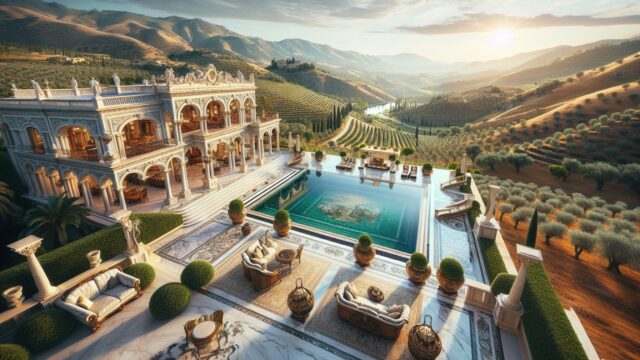
A world away from your everyday grind, tucked right into the Mediterranean’s heart, Sicily beckons the audacious ones. The cradle of Italian grandeur, the island encapsulates millennia-old cultures, seductive landscapes, and an array of delectable culinary delights. But there’s an extra layer of intrigue to Sicily. It’s the allure of its luxury real-estate market, a premium destination for investors seeking a fusion of idyllic beauty and hefty returns from treasured havens. Sicily’s market offers everything from opulent seaside villas to classic baroque homes and ancient wine estates. This piece explores the compelling reasons to plunge into the lucrative investment adventure that is luxury real estate in Sicily.

A Riveting Journey Through Time

Each piece of the Sicilian luxury property presents a historic, often centuries-old tale, steeped in rich culture and heritage. Whether it’s a charming eighteenth-century Palazzo, nestled within the hilly vineyards, or a compelling modern villa lined with palm trees along the pristine beaches – each property is not just a dwelling but a journey through time. This extraordinary blend of history and grandeur makes investing in Sicilian luxury real estate an immersive existential experience beyond the ordinary financial incentive.

An Investment in Nature’s Grandeur

When it comes to nature, Sicily offers an impressive cocktail of contrasts. From the sparkling azure Mediterranean that adorns the coastal fringes to Europe’s highest volcano, Mount Etna’s majestic dominance, Sicily is a natural wonder. Adding this lush backdrop to your property portfolio will undoubtedly escalate its charm.

The Aromas of Sicilian Life

One of Sicily’s distinguishing factors is its profound culinary foundation. The island cherishes its food and wine, and this romance seeps into the luxury real estate market. Investing in such an environment implicates a rich, rooted lifestyle, embroidered with the magical aromas of Sicilian life.

Exclusive Gateways in Prime Locations

With major cities like Palermo and Catania or exclusive hotspots like Taormina and Cefalu, Sicily’s luxury real estate spectrum is as diverse as it gets. These vibrant locations also offer excellent rental yield potential, making your investment work smarter and amplify your returns.

Investing in a Legacy

The essence of Sicilian luxury real estate is entwined with antiquity, natural grandeur, societal codes, and a touch of elite lifestyle. Investing here cultivates a legacy that represents an ensemble of history, culture, nature, and luxury.

A Bold, Rewarding Adventure

Despite the inherent rewards, navigating the Sicilian luxury real estate market can be complex, given the language barriers, complicated property laws, cultural norms, and negotiating tactics. Engaging a local agency with deep market knowledge, language proficiency, negotiation skills, and legal understanding can ensure a smoother and more successful investment journey.

But once the ink dries on the deeds, a whole new epoch of an adventurous journey commences. You are now a custodian of a piece of Sicilian history and luxury. Opening the doors of your luxury dwelling, you can luxuriate in sun-drenched court-yards, charm guests with views of the turquoise sea or lush vineyards, become host to glitzy high teas or wine tasting sessions. The possibilities of what you can do with your Sicilian luxury real estate are only limited by the boundaries of your imagination.

The Final Frontier

The audacious few seeking an exciting life ahead with an investment in luxury must consider Sicily’s captivating offerings. The unparalleled richness of experiences waiting to be unlocked makes Sicily an exquisite and unparalleled realm for luxury real estate investors. Given its aesthetic appeal, historical grandeur, gastronomic prowess, and luxe residences in scenic locales, the Sicilian luxury real estate market serves as a sure ticket to lavish returns and an adventurous, ultra-rich lifestyle. Let Sicily be your next venture’s magical backdrop, a grand voyage that would indeed be nothing less than a saga of abundance.

In conclusion, Sicily is more than just a thriving luxury real estate hotspot. It is an adventure waiting to be embarked upon, intertwining the best of cultural feasts, natural beauty, and historical triumphs. So pack your investment bags and set sail towards this Mediterranean marvel, for there’s a Sicilian luxury estate beaconing your name amidst the chirping cicadas and rustling olive trees, curating an itinerary of a lifetime!

Discovering the Unsung Gem: Piedmont in Italy

Italy is not only about the bustling cosmopolitan lifestyle of cities like Rome, Florence or Venice. Venture out of the regular and step into the untouched beauty and charm of regions like Piedmont, tucked away in the north-western corner of the country. Boasting picturesque landscapes, historical artefacts, UNESCO World Heritage sites and scrumptious cuisines, Piedmont offers the perfect fusion of tradition and modernity to soothe your wanderlust.

Piedmont – A Blend of Nature and History

Piedmont, which translates to ‘at the foot of the mountain’, is perfectly nestled amidst the Alpine arc, creating a stunning amalgamation of scenic landscapes and thrilling outdoor activities. Enriched with history dating back to the Roman Empire and flourishing Renaissance culture, this region is a treasure trove for those who have a penchant for history.

The Sparkling Turin

A good starting point to your piedmont journey would be Turin, the capital city. An epitome of elegance and culture, this city is full of Baroque architecture and delightful piazzas. The rich history of the city can be seen in its museums, most notably, the Egyptian Museum and Museum of the Risorgimento. The Mole Antonelliana with its towering spire offers a panoramic view of the entire city. Turin is home to Juventus Football Club, a pilgrimage for soccer fanatics.

Royal Residences

Also in Turin, the heart-touching Royal Residences of the House of Savoy, a UNESCO World Heritage Site since 1997, is a must-visit. You’ll be swept up in the grandeur of the period architecture and sprawling parks.

Wine Tasting in Barolo

Famed for its delectable Nebbiolo grapes that produce the full-bodied Barolo wine, this region adds an extra appeal for wine enthusiasts. Visit the local vineyard to witness the magical winemaking process, and treat yourself with a wine tasting experience amidst the lush green fields.

Outdoor adventures

Piedmont is not solely about relaxing and indulging in natural beauty. There are plenty of adventurous outdoor activities for adrenaline junkies.

Skiing in Sestriere

Pack your ski boots and head out for Sestriere, a popular ski resort area. Hitting the snowy slopes while enjoying the breath-taking views of the snow-laden mountain peaks will be an experience to remember.

Hiking Up the Val Grande National Park

Engage in hiking trails of Val Grande National Park, the largest wilderness areas in Italy. Lose yourself to the dense forest, hidden canyons and rugged mountain ranges.

Local Cuisines – A Treat to Taste Buds

Piedmont’s food culture is another profound reason that drags food-lovers from every corner of the world. Alba is known for its white truffles while the rice fields of Vercelli are renowned for Risotto. Your trip will remain incomplete if you don’t taste the local dishes like vitello tonnato, agnolotti, and of course, the famous chocolate – gianduja.

The Annual Festivities

Ensure to plan your visit during the annual festivities of Piedmont. The Battle of Orange in Ivrea, Alba’s White Truffle Fair and Sagra San Michele in Bardonecchia, are some of the remarkable fairs that should find a place in your itinerary.

Conclusion

Italy’s Piedmont region offers an enormous range of options to travellers looking to explore something beyond big cities. This blend of heritage, scenic beauty and gastronomic delights serve as a perfect vacation destination for all types of travellers. Whether you’re a solo traveller on a quest for tranquillity or an adventure enthusiast yearning for an adrenaline rush, Piedmont will captivate your heart in ways unimaginable. So, next time while planning an Italian escapade, stray away from the usual and delve into the unsung beauty of Piedmont.

Discover the Luxury of Lazio: Vacation Homes in Italy’s Heartland

Italy, a country with a deep-rooted history, diverse culture, and unbeatable cuisine, has always been a vacation destination popular amongst explorers, history buffs, and food lovers around the world. Overlooking the famous Vatican City and the romantic Rome, the region of Lazio has been garnering attention lately for a unique offering: luxury vacation homes that redefine comfort, elegance, and class. These lavish villies and apartments, often located in proximity to scenic landscapes or historical landmarks, promise a stay filled with grandeur and serenity.

A Homely Feel with a Touch of Luxury

In Lazio, the warmth of home meets the thrill of vacation in these luxurious rentals. From rustic farmhouses, spacious villas, to chic apartments, you can find a wide array of options, satisfying all tastes. Better yet, each luxury home is tailored to include modern amenities like private swimming pools, terraces, home theatres, and even vineyards, guaranteeing a unique, unforgettable vacation experience right at your doorstep.

These luxe properties often showcase the charm of traditional Italian architecture: vibrant terracotta climates contrasting against pristine white walls, exquisite tile work, wooden rafters, and remarkably high ceilings – all without compromising on modern comfort.

Idyllic Location: Where Nature and Attractions Coexist

Centrally located within Italy’s heartland and adorning the Tyrrhenian coastline, Lazio treats vacation-goers with a unique blend of breathtaking coastal views, lush mountainous landscapes, and intriguing historical attractions.

Luxury properties in Lazio are often ideally placed, whether you wish to embrace the quiet of the countryside, experience the bustle of the city, or be mesmerized by the calming waves of the sea. From properties overlooking the tranquil Lake Bolsena, homes in the historical center of Rome, villas near the picturesque towns of Rieti and Viterbo, to coastal retreats in Civitavecchia and Gaeta – Lazio offers a medley of remarkable stays, each offering unique views and memorable experiences.

Proximity to Iconic Italian Landmarks

Choosing a luxury vacation rental in Lazio allows you to venture on cultural sojourns conveniently. These homes are usually a short distance away from some of Italy’s most iconic landmarks. The ancient city of Rome, the Vatican’s revered St. Peter’s Basilica, Villa d’Este in Tivoli, and the archaeological site of Ostia Antica are all within a comfortable driving distance from most luxury homes in Lazio.

An Enticing Blend of Italian Hospitality and Luxury

What’s remarkable about these luxury homes is the balance they strike between the warm, cozy Italian hospitality and the epitome of luxury. While their offerings are truly high-end – think world-class services, gourmet kitchens, hot tubs, and even private chefs – they invariably carry the charm and warmth associated with Italian homes.

You may find yourself sipping wine from a private vineyard, lounging on a sun-soaked terrace overlooking the Tyrrhenian Sea, or enjoying an outdoor meal amidst the rural beauty of Lazio’s countryside.

Conclusion: The Luxury Vacation Destination of Your Dreams

All in all, Lazio offers magnificent luxury homes for rent, providing a lavish and comfortable base for your vacation. Be it the richness of the architecture, the opulence of the services, the breath-taking views, or the impeccable location, a luxury home in Lazio ticks off all the boxes of an ideal vacation rental.

So, aren’t you ready to enjoy the goodness of Italian life and landscapes from the comfort of a luxury home in Lazio?